Navigating Hidden Disability Support in Global Air Travel: What You Need to Know
The Sunflower lanyard helps passengers with non-visible conditions get extra support at airports worldwide. Here's how the scheme works and what to know before you fly.
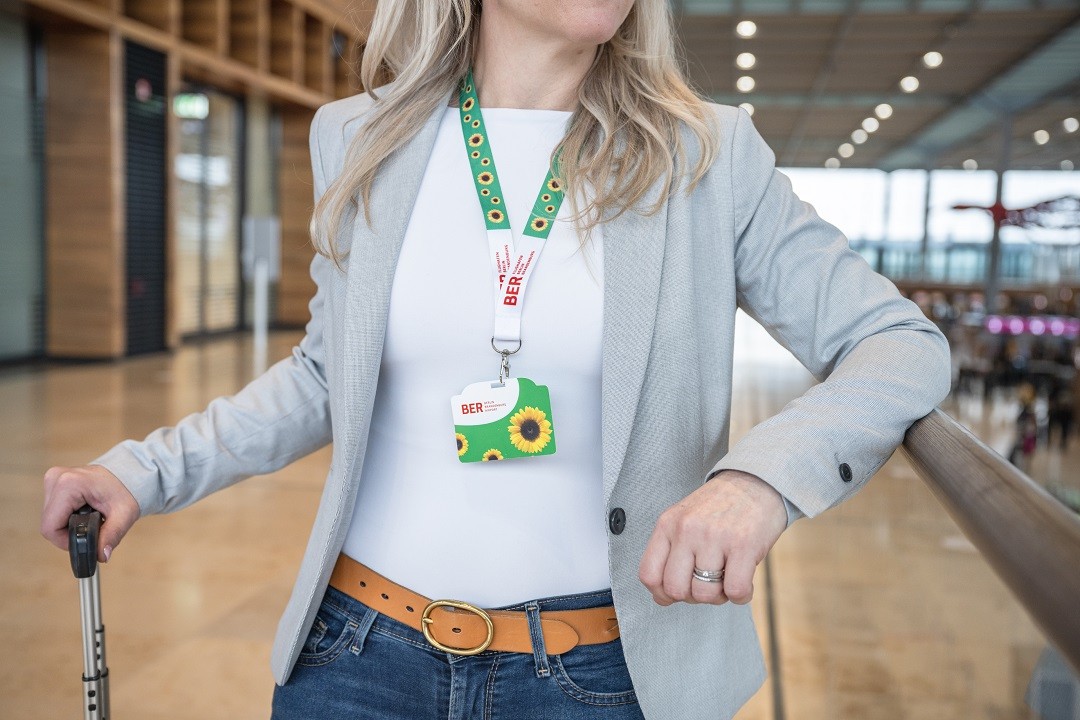
The Sunflower Lanyard: A Quiet Signal That Makes a Big Difference
The Hidden Disabilities Sunflower lanyard has become an invaluable tool for passengers with non-visible conditions, signalling to staff that a traveller might need extra time, clearer instructions, or a bit of patience. However, as global travel ramps up, passengers are experiencing differing rules regarding how the lanyard is handled at airport security checkpoints.
Changes at Spanish Airports
Stop overpaying for airport parking. Compare prices across all UK airports and save up to 60% when you book in advance.
A recent shift at Spanish airports highlights the evolving nature of hidden disability policies. Aena, the authority operating Spain's major travel hubs, including Malaga, Alicante, Barcelona, and Mallorca, clarified that the Sunflower lanyard alone no longer guarantees automated access to priority fast-track or family security lanes.
Instead, Aena recommends that passengers apply for its official 'Invisible Disabilities Badge' online before they travel. This digital badge ensures airport staff can guide passengers through calmer security routes where available, though authorities emphasise it is not a VIP or fast-track pass to bypass standard aviation security procedures. You can apply for the badge on the Aena Invisible Disabilities Badge page.
A Growing Global Network
While administrative procedures vary by region, global recognition of hidden disabilities is reaching unprecedented levels. Since its initial launch at London Gatwick in 2016, the Sunflower network has grown exponentially. It is now recognised by over 340 airports across 70 countries, alongside 31 international airlines.
Major international transport hubs continue to expand their dedicated support services:
- North America: Dallas/Fort Worth International Airport (DFW) operates a comprehensive Sunflower programme, distributing free lanyards pre-security to ensure passengers are supported from the check-in desk to the departure gate.
- Global Hubs: Major international airports such as Singapore Changi, Istanbul, Tokyo Haneda, and Sydney fully integrate the Sunflower initiative into their staff training protocols.
Advice for Your Next Journey
To ensure a seamless experience, passengers travelling with hidden disabilities should consider the following steps ahead of departure:
Verify Local Airport Rules
Flying early? Don't risk the traffic. Stay minutes from the terminal with park & fly packages included.
Check the specific accessibility page of both your departure and arrival airports. Certain networks, particularly across mainland Europe, may require supplementary local forms alongside your lanyard.
Notify Your Airline Early
Under UK law and international aviation frameworks, airlines require a minimum of 48 hours' notice to arrange formal airport assistance (such as mobility support or escorted guiding).
Keep Clarity in Mind
The Sunflower lanyard remains a highly effective way to signal non-apparent needs discreetly to trained flight crews and terminal staff, even in hubs where security gate policies differ.
If you're flying from a UK airport, many offer dedicated assistance services. Check out our guides to Gatwick Fast Track or browse all UK airports to find accessibility information for your departure point.
Image credit: DFW Child
For more information about the Hidden Disabilities Sunflower programme, including how to request a lanyard, visit the official Hidden Disabilities Sunflower website.
Written by
WhichTerminal Team
Related Articles
 💡 Travel Tips
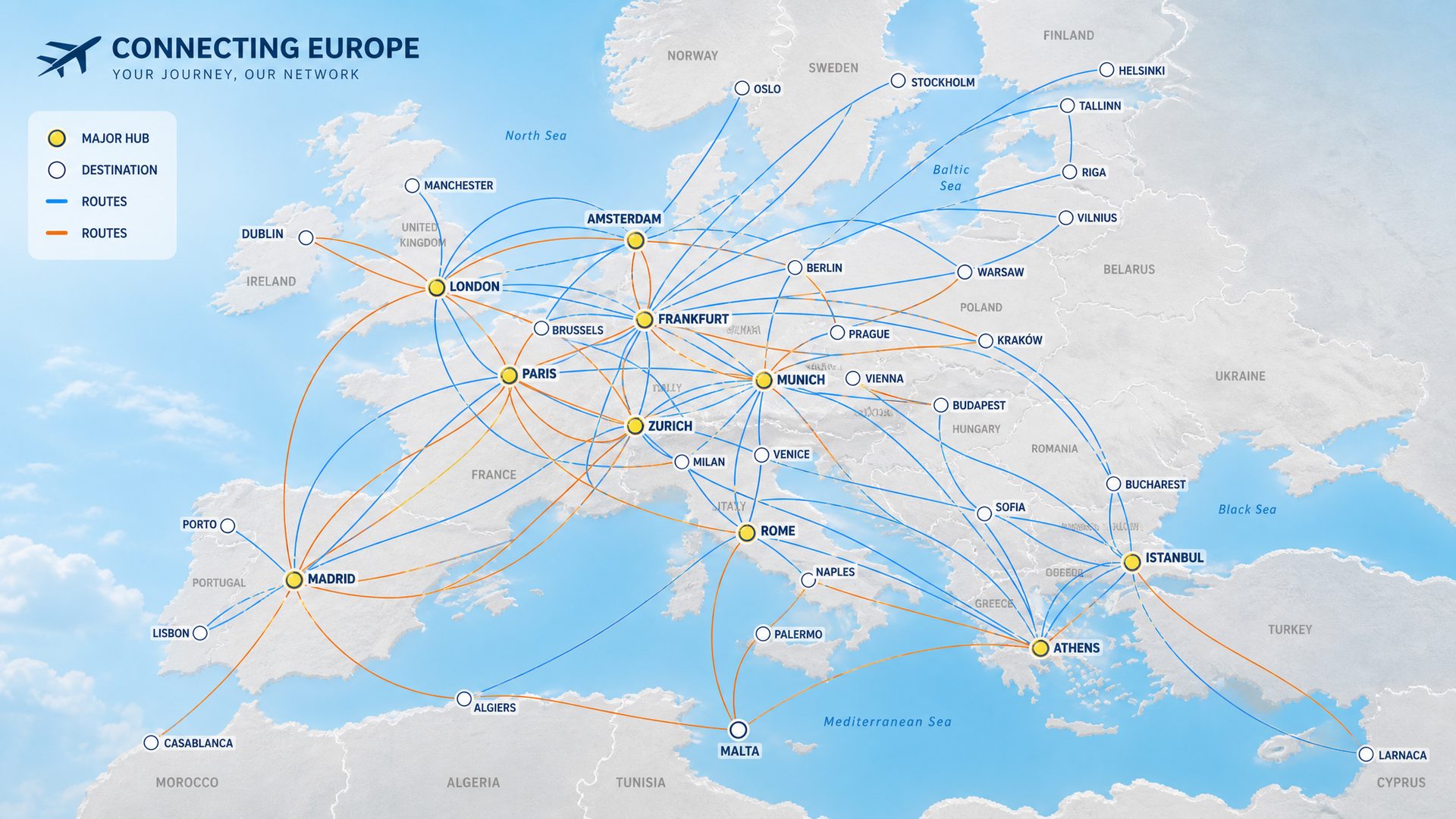
52 New Airports Added: Live Flight Boards for Europe, the Islands and Beyond
We have added 52 airports in eight weeks, taking WhichTerminal to 107 airports in total. Every one has live departures, arrivals, cancellation tracking and weather. Here is the full list.
 💡 Travel Tips
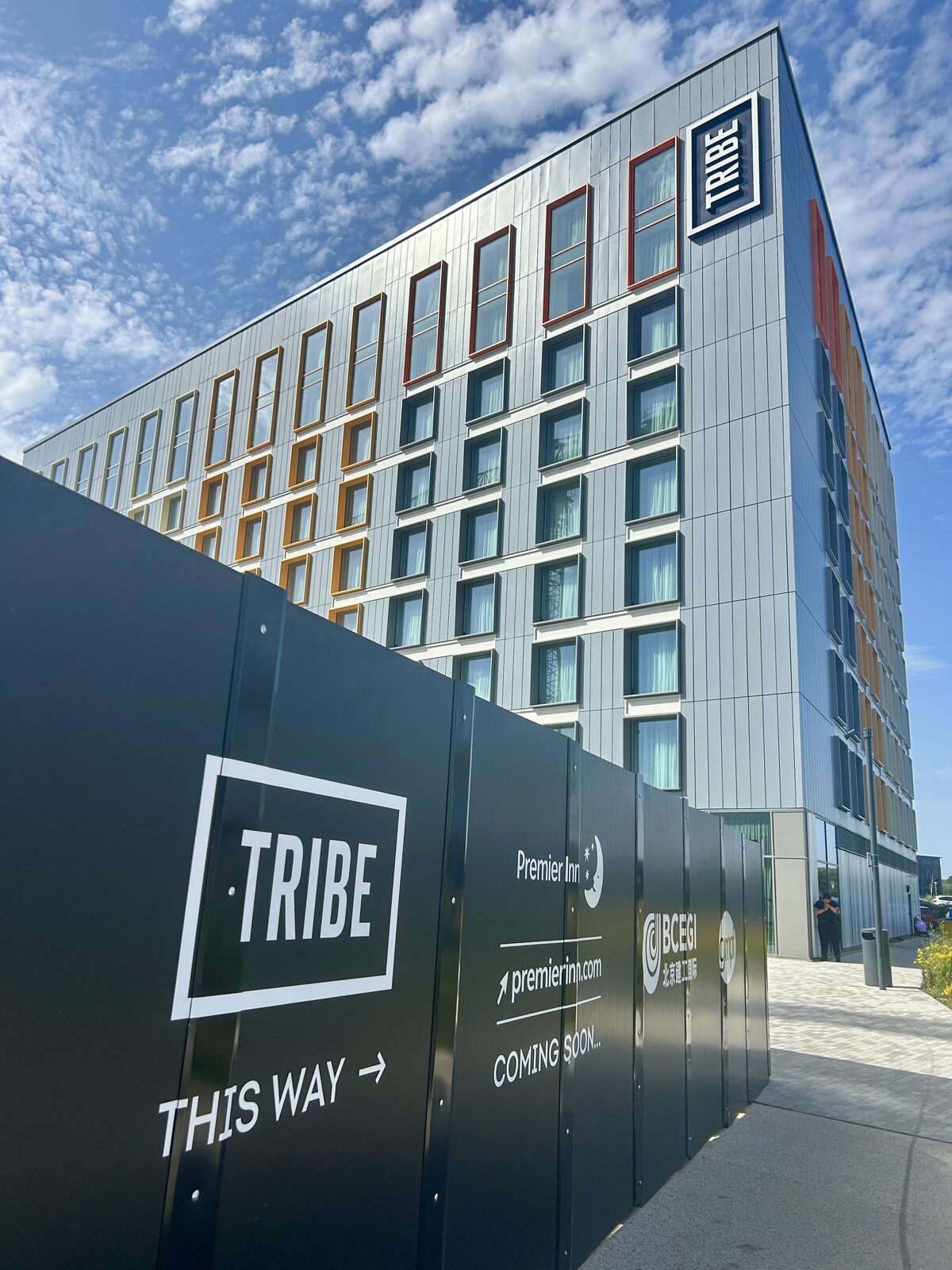
Tribe Hotel Manchester Airport Review 2026 - Is It Worth It?
First-hand review of Tribe Hotel at Manchester Airport. Rated 9/10 for rooms and 8/10 for the restaurant. Just a 5-minute walk to Terminal 2, from £93 a night.
 💡 Travel Tips
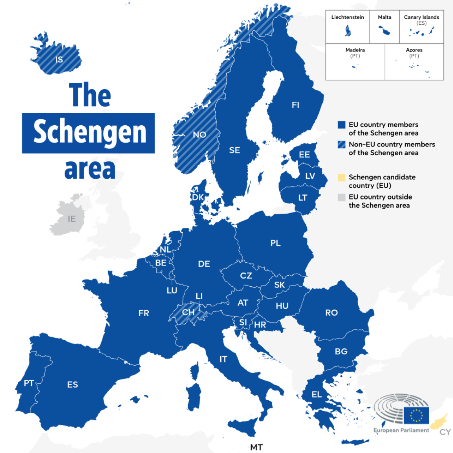
The Schengen 90/180-Day Rule Explained (Plus Our Free Calculator)
Confused by the Schengen 90/180-day rule? We explain how the rolling window works for UK travellers and introduce our free calculator that tracks your allowance and tells you when you regain days.